Buying Your First Home Checklist: Essential Steps and Tips for First-Time Buyers
A complete step-by-step first-time homebuyer checklist covering financial preparation, mortgage preapproval, home inspections, making an offer, and navigating closing. Get free expert guidance from US Home Portal.
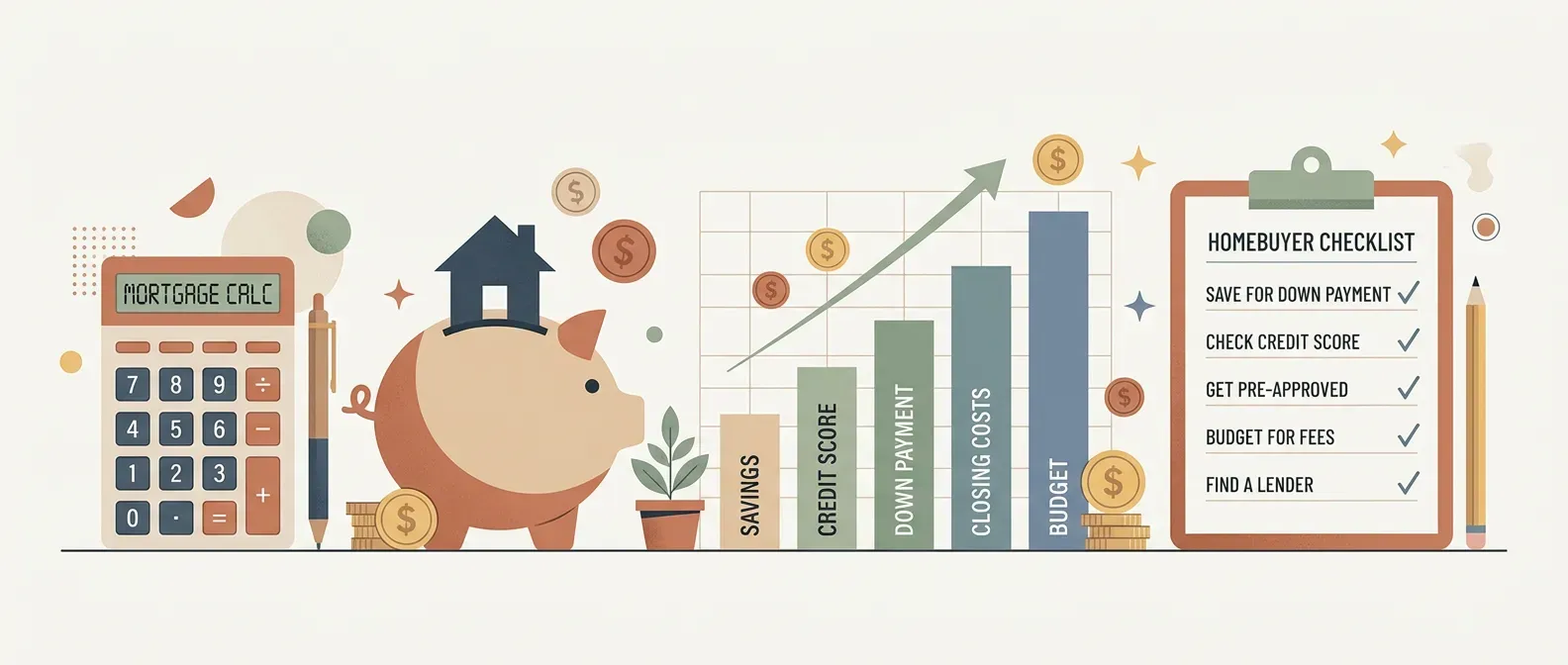
Purchasing your first home is an exciting yet daunting journey that requires careful planning and informed decision-making. This comprehensive guide walks you through the essential steps of the home buying process, ensuring you are well-prepared for each stage — from financial preparation and mortgage preapproval to home inspections and closing.
What Are the Key Steps in the Home Buying Process for First-Time Buyers?
The home buying process involves several key steps that guide you from initial considerations to finalizing your purchase:
Assessing Your Financial Situation: Before you start looking for a home, evaluate your finances to determine how much you can afford.
Getting Preapproved for a Mortgage: This step involves obtaining a preapproval letter from a lender, which shows sellers you are a serious buyer.
Searching for a Home: With your budget in mind, begin searching for homes that meet your criteria.
Making an Offer: Once you find a suitable home, you will need to make a formal offer to the seller.
Home Inspection and Appraisal: After your offer is accepted, a home inspection and appraisal will be conducted to assess the property's condition and value.
Closing the Sale: Finally, you will complete the necessary paperwork and finalize the purchase.
How to Prepare Financially Before Starting Your Home Search
Financial preparation is a critical aspect of the home buying process. Here are some essential steps to take before you begin your search:
Create a Budget: Determine your monthly expenses and how much you can allocate towards a mortgage payment.
Check Your Credit Score: A higher credit score can lead to better mortgage rates. Review your credit report and address any issues.
Save for a Down Payment: Aim to save at least 3% of the home's purchase price to avoid private mortgage insurance (PMI), depending on the loan type.
Consider Additional Costs: Factor in closing costs, property taxes, and home maintenance expenses when budgeting.
What Should You Expect During the Home Inspection and Appraisal?
During the home inspection and appraisal, you will gain valuable insights into the property's condition and value. A home inspection is a thorough examination of the property, typically conducted by a professional inspector, that helps identify potential issues such as structural problems, plumbing issues, or electrical concerns.
An appraisal assesses the home's market value based on comparable properties in the area. This step is crucial for lenders to ensure that the loan amount aligns with the property's worth. Understanding these processes allows you to make informed decisions and negotiate repairs or price adjustments if necessary.
How Do You Get Mortgage Preapproval and Choose Financing Options?
Mortgage preapproval is a vital step that involves a lender evaluating your financial situation to determine how much they are willing to lend you. This process typically requires documentation of your income, assets, and debts.
Once preapproved, you can explore various financing options. US Home Portal provides mortgage guidance resources to help you compare loan types and choose the right fit for your situation, including:
Fixed-Rate Mortgages: These loans have a constant interest rate and monthly payments that remain the same throughout the loan term.
Adjustable-Rate Mortgages (ARMs): These loans have interest rates that may change periodically based on market conditions.
Government-Backed Loans: Options like FHA, VA, and USDA loans can provide benefits for first-time buyers, such as lower down payment requirements.
What Is the Mortgage Preapproval Process and Why Is It Important?
The mortgage preapproval process involves submitting a loan application along with necessary documentation, such as pay stubs, tax returns, and bank statements. The lender will then review your financial information and credit history to assess your risk level.
Obtaining preapproval is important because it provides you with a clear understanding of your budget and strengthens your position when making an offer on a home. Sellers are more likely to consider offers from preapproved buyers, as it indicates that you are financially capable of completing the purchase.
Which Mortgage Types Are Best for First-Time Home Buyers?
First-time home buyers have several mortgage options to consider:
Conventional Loans: Not insured by the government, these typically require a higher credit score and down payment ranging from 3% to 20%.
FHA Loans: Backed by the Federal Housing Administration, these allow for lower down payments — sometimes as low as 3.5% — and are accessible to buyers with lower credit scores.
VA Loans: Available to veterans and active-duty military members, VA loans offer favorable terms, including no down payment and no PMI.
USDA Loans: Designed for rural home buyers, USDA loans provide low-interest rates and often do not require any down payment.
How Do You Make an Offer and Navigate the Closing Process?
Making an offer involves determining a fair price based on market research and the home's condition, then submitting it to the seller — often accompanied by an earnest money deposit to demonstrate your seriousness.
After your offer is accepted, you will enter the closing process, which includes:
Finalizing the Mortgage: Work with your lender to complete the necessary paperwork and secure your loan.
Conducting a Final Walkthrough: Before closing, conduct a final walkthrough of the property to ensure it is in the agreed-upon condition.
Signing Closing Documents: At closing, you will sign various documents, including the mortgage agreement and title transfer.
What Are the Steps to Negotiating and Making an Offer on a Home?
Research the Market: Understand the local real estate market to determine a competitive offer price.
Be Prepared to Compromise: Consider the seller's needs and be willing to negotiate terms beyond just the price, such as closing dates or repairs.
Communicate Clearly: Maintain open lines of communication with the seller or their agent to facilitate a smooth negotiation process.
What Legal Requirements and Documents Are Needed to Close the Sale?
Key documents required at closing include:
Purchase Agreement: This contract outlines the terms of the sale, including the purchase price and contingencies.
Title Report: This document verifies the seller's ownership and ensures there are no liens against the property.
Closing Disclosure: This form provides a detailed account of the loan terms, closing costs, and other financial details.
What Budgeting Tips and Down Payment Assistance Programs Should First-Time Buyers Know?
Track Your Spending: Use budgeting tools to monitor your expenses and identify areas where you can save.
Set a Savings Goal: Aim to save a specific amount each month towards your down payment and closing costs.
Explore Assistance Programs: Many states offer down payment assistance programs for first-time buyers, which can help reduce the financial burden.
By implementing these strategies, you can improve your financial readiness for homeownership. For a personalized assessment of your financial situation, schedule a free consultation with US Home Portal — our team will help you build a clear, actionable plan.
How Much Down Payment Is Typically Required and How Can You Save?
The typical down payment required varies based on the type of mortgage. Conventional loans often require 3% to 20%, while FHA loans may allow for as little as 3.5%.
To save for a down payment, consider the following strategies:
Automate Savings: Set up automatic transfers to a dedicated savings account for your down payment.
Cut Unnecessary Expenses: Review your budget and eliminate non-essential spending to increase your savings rate.
Take Advantage of Windfalls: Use bonuses, tax refunds, or gifts to boost your down payment savings.
Which Down Payment Assistance Programs Are Available for First-Time Buyers?
State and Local Grants: Many states offer grants that do not need to be repaid, helping buyers cover down payment costs.
Low-Interest Loans: Some programs provide low-interest loans to assist with down payments, which can be repaid over time.
Employer Assistance Programs: Certain employers offer down payment assistance as part of their employee benefits package.
Program Type
Description
Eligibility
State Grants
Non-repayable funds for down payments
Varies by state
Low-Interest Loans
Loans to assist with down payments
Typically for low to moderate-income buyers
Employer Programs
Assistance offered by employers
Varies by employer
If you have any questions or need further assistance, you can contact us for personalized support.
Ready to Make Homeownership a Reality?
The path to buying your first home becomes much clearer when you have the right guidance by your side. At US Home Portal, we offer free, no-pressure consultations designed to meet you where you are — whether you're just starting to think about buying or you're ready to make an offer. We'll help you assess your financial readiness, understand your mortgage options, and connect you with vetted lenders, real estate agents, and other professionals from our trusted network.