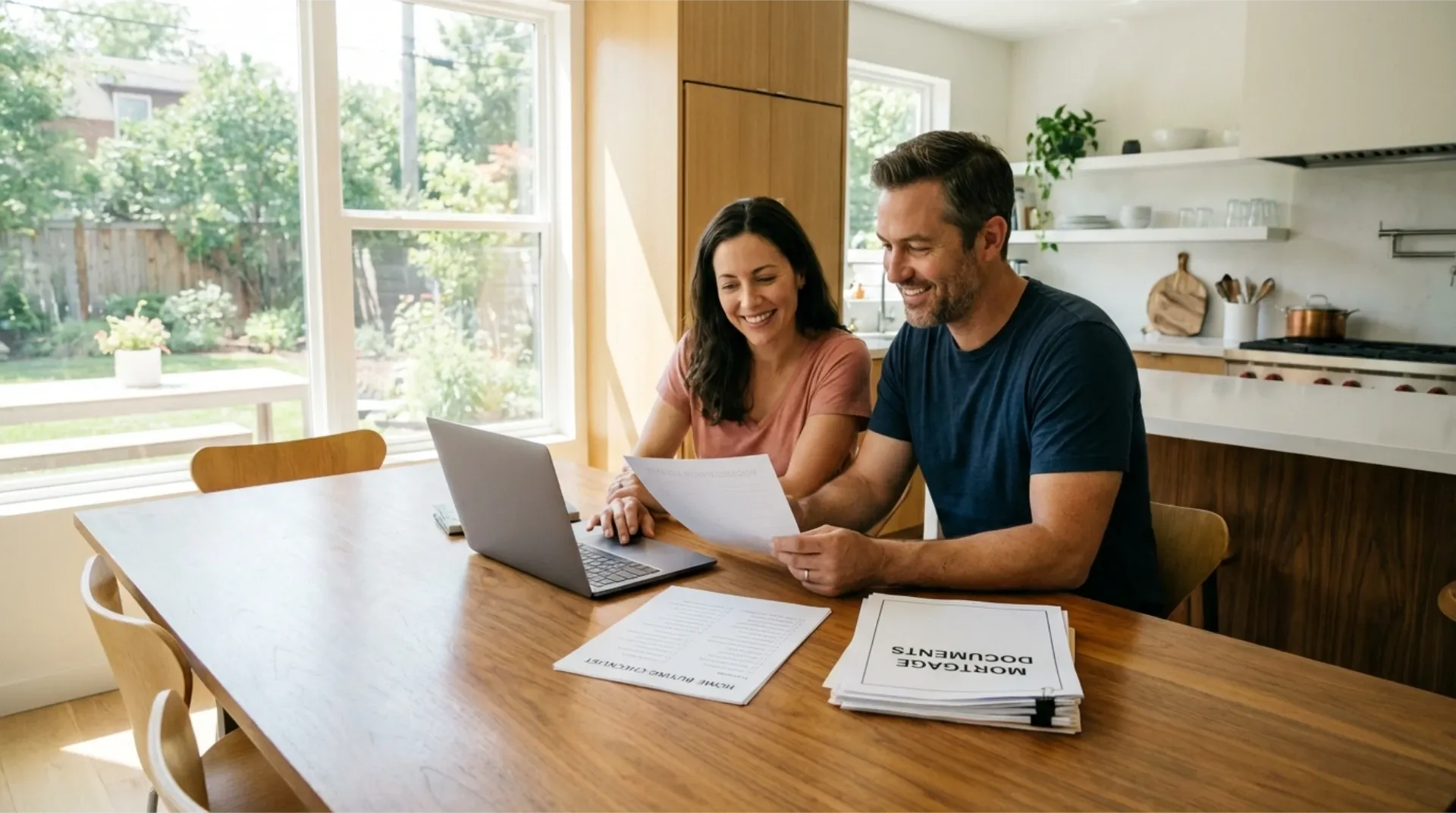
Navigating the home buying process can be overwhelming, especially for first-time buyers. This comprehensive guide simplifies the journey with a detailed checklist covering essential steps, from securing mortgage pre-approval to understanding closing costs. By following this step-by-step approach, homebuyers can make informed decisions and avoid common pitfalls.
What Are the Essential Home Buying Steps for First Time Buyers?
The home buying process involves several critical steps that first-time buyers must understand to navigate successfully:
- Assessing Financial Readiness: Determine your budget and evaluate your financial situation, including savings for a down payment and closing costs.
- Getting Pre-Approved for a Mortgage: Obtain a pre-approval letter from a lender, which indicates how much you can borrow based on your financial profile.
- Finding a Real Estate Agent: A knowledgeable agent can guide you through the process, help you find suitable properties, and negotiate on your behalf. Our Trusted Professional Network connects you with vetted, licensed agents in your area.
- Searching for a Home: Begin your search based on your needs, preferences, and budget. Attend open houses and schedule viewings.
- Making an Offer: Once you find a home you like, your agent will help you draft an offer that reflects the market value and your budget.
- Conducting Inspections and Appraisals: After your offer is accepted, conduct a thorough property inspection and appraisal to ensure the home is in good condition and valued appropriately.
- Closing the Deal: This final step involves signing paperwork, paying closing costs, and officially transferring ownership.
For additional resources and tools, US Home Portal offers comprehensive guides tailored to home buyers. Browse our homebuyer resource library for articles, checklists, and step-by-step guides to support every stage of your journey.
How Do You Get Pre-Approved for a Mortgage?
Getting pre-approved for a mortgage is a crucial step in the home buying process. It involves a lender evaluating your financial situation to determine how much they are willing to lend you.
Mortgage Pre-Approval for Price Range Targeting >The pre-approval process helps householders target their search to a very specific price range. >— Housing finance, MJ Bruin, 2001
- Gather Necessary Documents: Prepare your financial documents, including tax returns, pay stubs, bank statements, and any other relevant financial information.
- Check Your Credit Score: Lenders will review your credit history to assess your creditworthiness. A higher credit score can lead to better loan terms.
- Submit Your Application: Complete a mortgage application with your chosen lender, providing all required documentation.
- Receive Pre-Approval Letter: If approved, the lender will issue a pre-approval letter stating the amount you can borrow, which strengthens your position when making an offer on a home.
For assistance with mortgage pre-approval, consider utilizing services offered by US Home Portal.
What Should You Know About Selecting a Real Estate Agent?
Choosing the right real estate agent is essential for a successful home buying experience. A good agent will have local market knowledge, negotiation skills, and a commitment to your needs. US Home Portal's Trusted Professional Network connects you with vetted, licensed agents who have been carefully screened for quality and integrity.
- Experience and Expertise: Look for an agent with a proven track record in your desired area and price range.
- Communication Skills: Your agent should be responsive and able to communicate effectively, keeping you informed throughout the process.
- Client Reviews and References: Check online reviews and ask for references to gauge the agent's reputation and past performance.
- Understanding of Your Needs: A good agent will take the time to understand your preferences and priorities, ensuring they find homes that meet your criteria.
How to Conduct a Thorough Property Inspection and Appraisal?
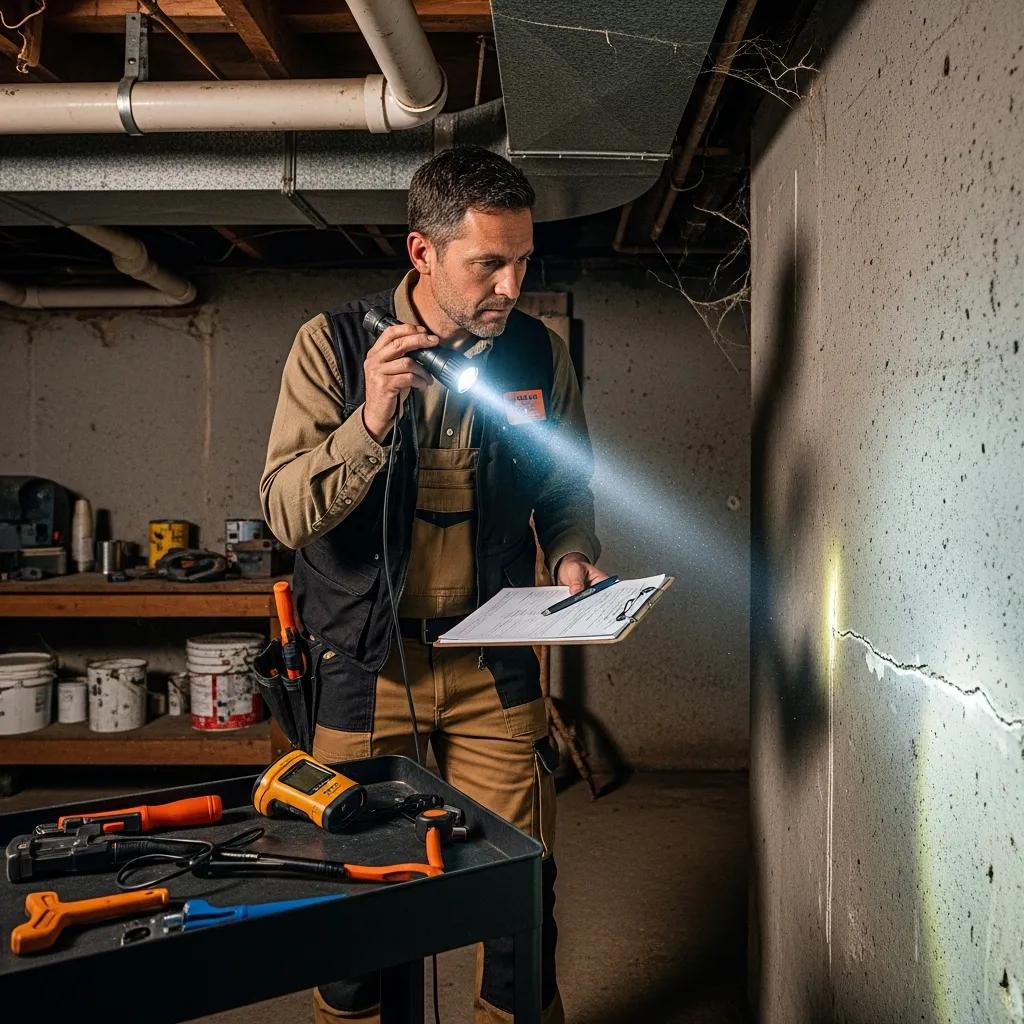
!Home inspector examining a property in the basement with a flashlight
Conducting a thorough property inspection and appraisal is vital to ensure that the home you are purchasing is in good condition and worth the price you are paying.
- Hire a Qualified Inspector: Choose a licensed home inspector who can identify potential issues, such as structural problems, plumbing issues, and electrical concerns. Through our vetted professional network, US Home Portal can connect you with trusted inspectors in your area.
- Attend the Inspection: Being present during the inspection allows you to ask questions and gain insights into the property's condition.
- Review the Inspection Report: After the inspection, carefully review the report to understand any issues that may need addressing before closing.
- Understand the Appraisal Process: An appraisal is conducted by a licensed appraiser to determine the home's market value. This step is crucial for securing your mortgage.
What Does a Home Inspection Checklist Include?
A home inspection checklist outlines the key areas to evaluate during a property inspection:
- Roof Condition: Inspect for missing shingles, leaks, and overall integrity.
- Foundation and Structure: Look for cracks, settling, and signs of water damage.
- Plumbing Systems: Check for leaks, water pressure, and the condition of pipes and fixtures.
- Electrical Systems: Ensure that wiring, outlets, and panels are up to code and functioning properly.
- HVAC Systems: Evaluate the heating and cooling systems for efficiency and maintenance needs.
Why Is an Appraisal Important in the Home Buying Process?
An appraisal is a crucial step that determines the property's market value. This assessment is important for several reasons:
- Protects the Buyer: An appraisal ensures that you are not overpaying for the property by confirming its fair market value.
- Lender Requirement: Most lenders require an appraisal before approving a mortgage to ensure the loan amount is justified by the property's value.
- Negotiation Leverage: If the appraisal comes in lower than the purchase price, it provides leverage for negotiating a lower price with the seller.
What Are Closing Costs and How Do You Prepare for Them?
Closing costs are fees associated with finalizing a real estate transaction, typically 2–5% of the home's purchase price. Key components include:
- Loan Origination Fees: Charges from the lender for processing the loan.
- Title Insurance: Protects against potential disputes over property ownership.
- Appraisal Fees: Costs associated with the property appraisal.
- Inspection Fees: Charges for home inspections conducted prior to closing.
What Are the Common Closing Fees and Their Breakdown?
Fee Type | Description | Estimated Cost Range |
|---|---|---|
Loan Origination Fee | Charged by the lender for processing the loan | 0.5%–1% of loan amount |
Title Insurance | Protects against ownership disputes | $1,000–$2,500 |
Appraisal Fee | Cost for property appraisal | $300–$500 |
Home Inspection Fee | Fee for conducting a home inspection | $300–$500 |
What Are Key Tips for Moving and Post-Purchase Planning?
- Create a Moving Checklist: List all tasks to complete before, during, and after the move, including packing, utility setup, and change of address.
- Hire Professional Movers: Consider hiring a moving company to ease the physical burden of moving, especially for larger items.
- Set Up Utilities in Advance: Ensure that essential services like electricity, water, and internet are set up before moving in.
- Explore Your New Neighborhood: Take time to familiarize yourself with local amenities, schools, and services to help you settle in.
What Should First Time Homebuyers Know After Closing?
- Understand Homeownership Responsibilities: Familiarize yourself with maintenance tasks, property taxes, and insurance requirements.
- Set Up Utilities: Ensure all utilities are transferred to your name and functioning properly.
- Plan for Home Maintenance: Create a schedule for regular maintenance tasks to keep your home in good condition.
- Explore Homeowner Resources: Utilize resources from US Home Portal for ongoing support and information.
Take Your First Step Toward Homeownership
Buying a home is one of the most significant decisions you'll make — and you don't have to navigate it alone. At US Home Portal, we provide free, independent guidance to first-time and experienced buyers alike, from financial preparation through closing day and beyond. There's no sales pressure, no hidden agenda — just clear, unbiased support tailored to your goals.
Explore our full range of services, including personalized consultations, mortgage guidance, and access to our vetted professional network. Or browse our homebuyer resource library to continue building your knowledge at your own pace. When you're ready to move forward, schedule your free consultation and let us help you map out your path to homeownership.
Have questions? Reach our team directly: Phone: (866) 790-4488 Email: info@ushomeportal.com
US Home Portal Editorial Team
Our team of mortgage and real estate experts creates in-depth guides and articles to help you make informed decisions on your path to homeownership.