

Comprehensive Guide to the Home Buying Process
Navigating the home buying process can feel overwhelming, especially if you're a first-time homebuyer. This guide addresses the essential questions you should ask and provides insights to help you make informed decisions at every step. Understanding what to expect and knowing the right questions to ask can significantly enhance your experience and confidence throughout the journey.
Key Steps in the Home Buying Process
The home buying process involves several critical stages. Each step requires careful planning to avoid common mistakes and ensure a successful purchase.
- Assess Financial Situation — Evaluate your income, savings, and credit score to determine your budget and readiness for homeownership.
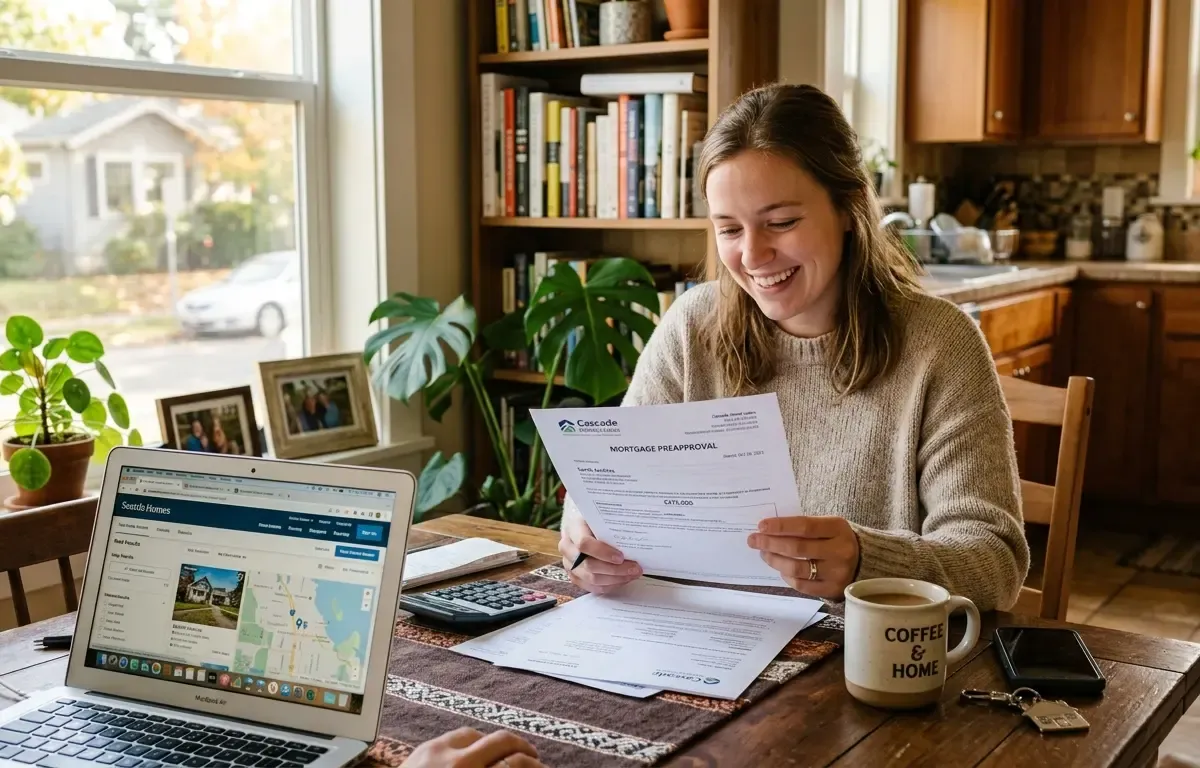
- Get Preapproved for a Mortgage — Secure a preapproval to understand how much you can borrow and show sellers you are a serious buyer.
- Find a Real Estate Agent — Partner with a knowledgeable agent who can guide you through the process and help you find the right home.
These foundational steps set you up for success by clarifying your financial capacity before you begin your search.
Essential Questions Homebuyers Should Ask
As you navigate the home buying process, asking the right questions is crucial. Here are some essential inquiries to consider:
- What is my budget? — Understanding your financial limits will help narrow down your options and prevent overextending yourself.
- What are the mortgage options available to me? — Different loans have varying terms and conditions, so it's important to explore all possibilities, including FHA loans, conventional loans, and VA loans if applicable.
- What are the estimated closing costs? — Knowing the additional costs involved in the purchase can help you budget effectively and avoid surprises at closing.
These questions will guide you in making informed decisions and ensure you are prepared for the financial commitments of homeownership.
Common Challenges Faced by New Buyers
First-time homebuyers often encounter several challenges that can complicate the purchasing process. Understanding these common pitfalls can help you navigate them more effectively.
- Understanding Financial Commitments — Many buyers underestimate the total costs associated with purchasing a home, including down payments, closing costs, and ongoing maintenance expenses.
- Navigating the Mortgage Process — The mortgage application process can be complex, with various requirements and documentation needed.
- Finding the Right Property — With so many options available, it can be challenging to identify a home that meets your needs and budget.
By being aware of these challenges, you can better prepare yourself and seek assistance when needed.
Tips for a Successful Home Buying Experience
To enhance your home buying experience, consider the following tips:
- Educate Yourself — Familiarize yourself with the home buying process and current market trends before making major decisions.
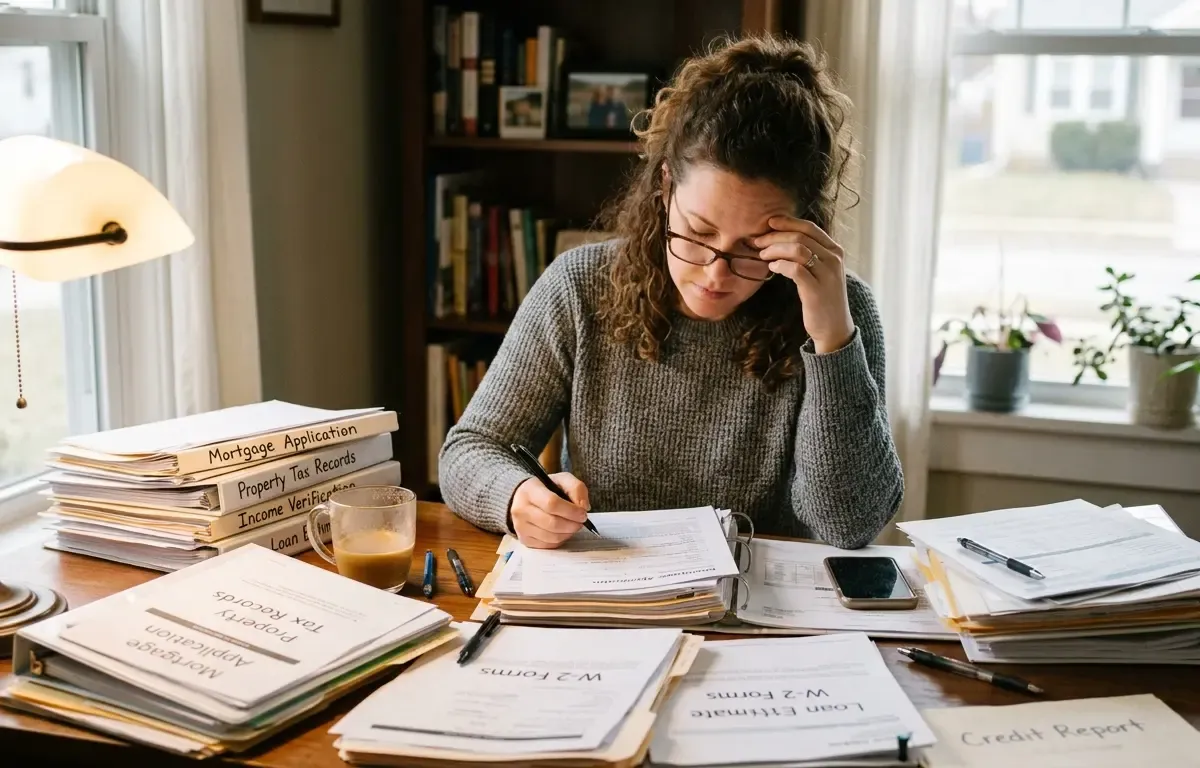
- Stay Organized — Keep track of important documents and deadlines throughout the process to avoid missing critical steps.
- Engage with Professionals — Work with experienced real estate agents, mortgage brokers, and inspectors to ensure a smooth transaction.
Implementing these strategies can help you navigate the complexities of home buying with greater ease and confidence.
What Are the Key Steps in the Home Buying Process?
The home buying process can be broken down into several key steps that every buyer should follow:
- Assessing Financial Situation — Determine your budget and financial readiness for homeownership.
- Getting Preapproved for a Mortgage — Obtain preapproval to understand your borrowing capacity.
- Searching for a Home — Begin your search for properties that fit your criteria and budget.
These steps are essential for ensuring a successful home buying experience.
How Do You Start the Home Buying Journey?
Starting the home buying journey involves several initial steps:
- Evaluate Financial Readiness — Assess your savings, income, and credit score to determine your purchasing power.
- Get Pre-approved for a Mortgage — This step is crucial for understanding how much you can afford and shows sellers you are a serious buyer.
- Find a Real Estate Agent — A knowledgeable agent can provide valuable insights and help you navigate the market.
By following these steps, you can set a solid foundation for your home buying journey.
What Are the Typical Home Buying Process Steps?
The typical home buying process includes several stages that buyers should be aware of:
- Assessing Financial Situation — Understand your financial capabilities and limitations.
- Getting Preapproved for a Mortgage — Secure preapproval to streamline the buying process.
- Making an Offer — Once you find a suitable property, work with your agent to make a competitive offer.
These steps are designed to guide you through the home buying process, ensuring you are well-prepared for each phase.
How Can First-Time Homebuyers Prepare Effectively?
First-time homebuyers can take several steps to prepare for the purchasing process:
- Assess Financial Situation — Understand your budget and financial readiness.
- Get Preapproved for a Mortgage — This will help you know your borrowing capacity.
- Gather Necessary Documentation — Prepare essential documents such as tax returns, pay stubs, and bank statements.
By taking these preparatory steps, first-time buyers can approach the home buying process with confidence and clarity.
What Essential Tips Should First-Time Homebuyers Know?
First-time homebuyers should keep the following tips in mind:
- Understand Costs — Be aware of all costs associated with buying a home, including down payments and closing costs.
- Explore Assistance Programs — Look into down payment assistance programs that may be available in your area or through your lender.
- Work with Professionals — Engage with real estate agents and mortgage brokers who can provide guidance and support.
These tips can help first-time buyers navigate the complexities of homeownership more effectively.
Which Common Homebuyer Mistakes Should Be Avoided?
To ensure a successful home buying experience, avoid these common mistakes:
- Overextending Budget — Stick to your budget to prevent financial strain and buyer's remorse.
- Skipping Inspections — Always conduct a home inspection to identify potential issues before purchase.
- Ignoring Market Conditions — Stay informed about current market trends to make educated decisions.
By avoiding these pitfalls, you can enhance your home buying experience and make informed choices.
What Mortgage Questions Do Homebuyers Frequently Ask?
Homebuyers often have several questions regarding mortgages, including:
- What are the down payment requirements? — Understanding the minimum down payment needed can help you plan your finances.
- What interest rates can I expect? — Knowing current interest rates can influence your mortgage decision.
- What types of loans are available? — Familiarize yourself with different loan options to find the best fit for your situation.
These questions are essential for understanding the mortgage landscape and making informed decisions.
How Do You Get Preapproved for a Mortgage?
Getting preapproved for a mortgage involves several key steps:
- Gather Necessary Documents — Collect financial documents such as tax returns, pay stubs, and bank statements.
- Check Credit Score — Ensure your credit score is in good standing to qualify for better rates.
- Submit Application — Complete the mortgage application with your lender to receive preapproval.
This process is crucial for understanding your borrowing capacity and streamlining the home buying journey.
What Are Current Mortgage Rates and How Do They Affect You?
Current mortgage rates play a significant role in the home buying process. Understanding how these rates affect your purchasing power is essential.
- Understanding Mortgage Rates — Mortgage rates fluctuate based on market conditions and can impact your monthly payments.
- How Rates Affect Monthly Payments — A lower interest rate can significantly reduce your overall payment amount.
- Current Trends — Staying informed about current trends can help you time your purchase effectively.
By understanding mortgage rates, you can make more informed decisions regarding your home purchase.
Why Is a Home Inspection Important and What Does It Include?
A home inspection is a critical step in the home buying process, providing valuable insights into the property's condition.
- Identifying Potential Issues — Inspections can uncover hidden problems that may not be visible during a showing.
- Negotiation Leverage — Findings from an inspection can provide leverage in negotiations with the seller.
- Financial Protection — A thorough inspection can protect you from unexpected repair costs after purchase.
Understanding the importance of a home inspection can help you make informed decisions and avoid costly surprises.
What Does a Home Inspection Checklist Cover?
A home inspection checklist typically includes several key components:
- Roof Condition — Inspecting the roof for damage or wear.
- Foundation and Structure — Assessing the integrity of the foundation and overall structure.
- Plumbing Systems — Evaluating plumbing for leaks and functionality.
This checklist ensures that all critical aspects of the home are thoroughly examined before purchase.
How Can Home Inspection Findings Influence Your Purchase?
Home inspection findings can significantly impact your purchasing decision.
- Negotiation Opportunities — If issues are found, you may negotiate repairs or price adjustments with the seller.
- Informed Decision-Making — Understanding the condition of the home allows you to make a more informed decision about proceeding with the purchase.
- Financial Implications — Identifying potential repair costs can help you budget effectively for future expenses.
By considering inspection findings, you can make a more informed choice regarding your home purchase.
What Are Closing Costs and How Can You Prepare for Them?
Closing costs are an essential aspect of the home buying process that buyers must prepare for.
- Typical Costs Involved — Closing costs can include loan origination fees, appraisal fees, title insurance, and other miscellaneous fees.
- Preparation Strategies — Budgeting for these costs in advance can help you avoid surprises at closing.
- Negotiation Opportunities — Some closing costs may be negotiable, so it's worth discussing with your lender.
Understanding closing costs is crucial for effective financial planning during the home buying process.
What Is Included in Closing Cost Breakdown?
A closing cost breakdown typically includes several key components:
- Loan Origination Fee — A fee charged by the lender for processing the loan.
- Appraisal Fee — The cost of having the property appraised to determine its value.
- Title Insurance — Insurance that protects against potential issues with the title.
This breakdown helps buyers understand the various costs associated with closing and prepare accordingly.
How Can You Budget for Closing Costs Effectively?
Budgeting for closing costs is essential for a smooth home buying experience.
- Understanding Closing Costs — Familiarize yourself with the typical costs involved in closing.
- Requesting a Loan Estimate — Obtain a loan estimate from your lender to understand your expected closing costs.
- Creating a Detailed Budget — Plan for these costs in your overall home buying budget to avoid financial strain.
By budgeting effectively, you can ensure a smoother closing process and avoid unexpected expenses.
How Do You Choose the Right Real Estate Agent for Your Home Purchase?
Choosing the right real estate agent is crucial for a successful home buying experience.
- Local Market Expertise — Look for agents with a strong understanding of the local market and neighborhoods.
- Experience and Track Record — Consider agents with a proven track record of successful transactions.
- Strong Communication Skills — Effective communication is key to a smooth buying process.
By selecting the right agent, you can enhance your home buying experience and ensure you receive valuable guidance throughout the process.
What Qualities Should You Look for in a Real Estate Agent?
When selecting a real estate agent, consider the following qualities:
- Local Market Expertise — An agent with in-depth knowledge of the local market can provide valuable insights.
- Client Reviews — Look for agents with positive reviews and testimonials from past clients.
- Understanding of Your Needs — Choose an agent who takes the time to understand your specific requirements and preferences.
These qualities can help you find an agent who will effectively support you throughout the home buying process.
How Can You Connect with Trusted Real Estate Professionals?
Connecting with trusted real estate professionals is essential for a successful home buying experience.
- Research Local Agents — Look for agents with strong reputations in your area.
- Review Client Testimonials — Reading reviews can provide insights into an agent's performance and client satisfaction.
- Assess Communication Style — Choose an agent whose communication style aligns with your preferences for a smoother working relationship.
By following these steps, you can find reliable real estate professionals to assist you in your home buying journey.

Ready to Take the Next Step?
The home buying process is complex, but you don't have to navigate it alone. US Home Portal is here to help. Our team of education specialists can answer all your questions about the home buying process, walk you through each step, and connect you with trusted professionals in your area—all for free.
Whether you're just starting to explore homeownership or you're ready to make an offer, we're here to guide you toward confident, informed decisions. Call us today at (866) 790-4488 or contact us to speak with a homebuying expert.
US Home Portal Editorial Team
Our team of mortgage and real estate experts creates in-depth guides and articles to help you make informed decisions on your path to homeownership.