

If you're buying a home, there's a number that shows up late in the process and catches a lot of people off guard: closing costs. You've saved the down payment, you've been pre-approved, and then the paperwork shows another few thousand dollars due at the table. It doesn't have to be a surprise. Closing costs follow a pattern, most of them are knowable weeks ahead, and several of them can be negotiated or shopped.
This guide walks through what closing costs are, how much they usually run, the fees you'll actually see on your paperwork, and the moves that lower what you bring to closing. It's written for buyers anywhere in the US, and especially for first-time buyers who haven't been through a closing yet.
What Are Closing Costs and Why Do They Matter?
Closing costs are the fees and prepaid expenses you pay to finalize a home purchase and your mortgage. They're separate from your down payment. Some go to your lender for making the loan, some go to third parties like the appraiser and title company, some go to your state or county, and some are prepaid bills like homeowners insurance and property taxes that get collected up front.
They matter because they're cash you need on top of your down payment, and they're due on closing day. A buyer who budgets only for the down payment can end up short at the worst possible moment. In practice, we see more stress from closing costs than from almost any other line in a home purchase, simply because nobody explained them early.
How Much Are Closing Costs?
The rule of thumb is that buyer closing costs run about 2% to 5% of the loan amount. On a $300,000 loan, that's roughly $6,000 to $15,000. Where you land in that range depends on a few things:
- Your state and county. Transfer taxes, recording fees and title insurance rates vary a lot from place to place. Some states have high transfer or mortgage taxes, and some states require an attorney at closing.
- Your loan type. FHA, VA and USDA loans carry their own upfront fees, and some lenders charge more in origination than others.
- Points. If you pay discount points to buy down your rate, each point costs 1% of the loan amount and shows up as a closing cost.
- Prepaid items. How many months of taxes and insurance your lender collects for the escrow account depends on your closing date and your local tax schedule.
So when someone asks how much closing costs are, the honest answer is "about 2% to 5%, and your Loan Estimate will tell you the real number for your loan." That document is your best tool, and you'll get it early.
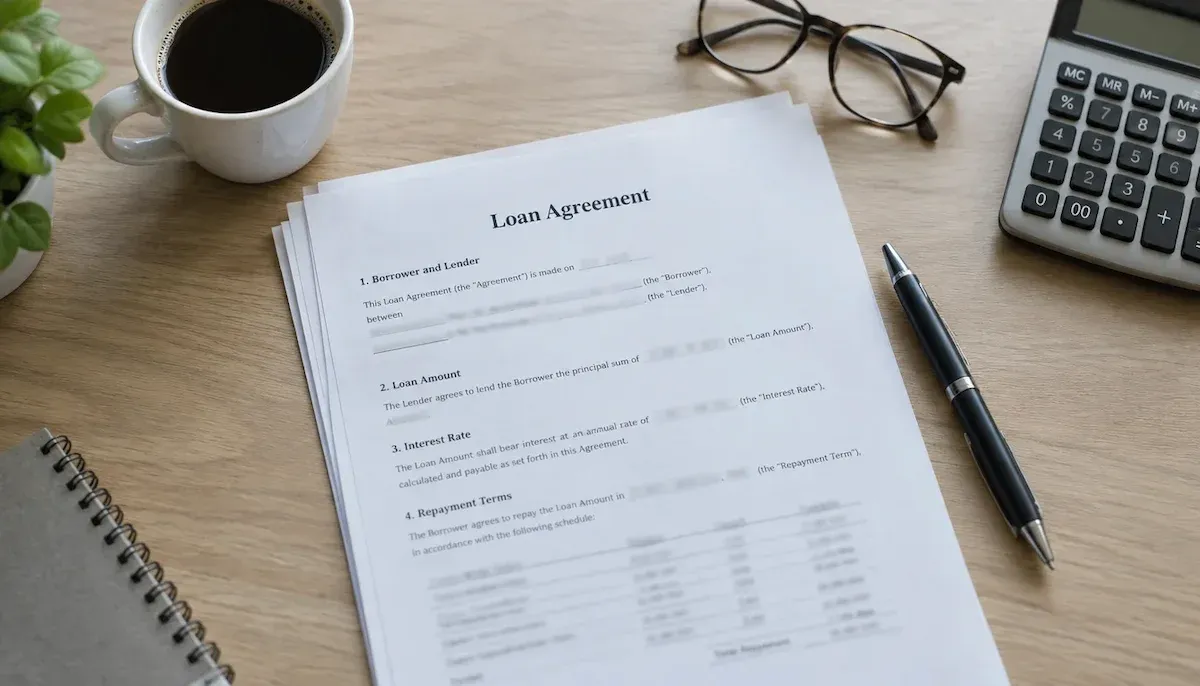
Common Homebuyer Closing Fees, Line by Line
Here are the homebuyer closing fees most buyers see, with typical ranges. These are ballpark figures, not quotes, and your lender's numbers will differ.
- Loan origination or underwriting fee (about 0.5% to 1% of the loan): The lender's charge for processing and approving the loan.
- Discount points (optional) (1% of the loan per point): A lower interest rate in exchange for cash up front.
- Appraisal (about $400 to $800): An independent opinion of the home's value for the lender.
- Credit report (about $30 to $100): Pulling your credit for the application.
- Title search and lender's title insurance (varies widely by state and price): Confirming clean ownership and protecting the lender against title defects.
- Owner's title insurance (varies by state; sometimes paid by the seller): Protecting your ownership against title problems.
- Escrow or settlement fee (often several hundred dollars or more): The title company, escrow company or attorney running the closing.
- Recording fees (often under a few hundred dollars): The county recording your deed and mortgage.
- Transfer taxes (varies by state and county): Taxes on the transfer of the property; who pays depends on local custom.
- Prepaid interest (depends on closing date): Interest from closing day to the end of that month.
- Homeowners insurance (first year) (depends on the home and location): Your first year's premium, usually paid at or before closing.
- Initial escrow deposit (usually a few months of taxes and insurance): A cushion so your lender can pay those bills when they come due.
A few more you may see depending on your situation: a survey, pest inspection, HOA transfer or document fees, and attorney fees in states where an attorney handles the closing. Your home inspection is usually paid when it happens, not at closing, but budget for it in the same bucket.
Fees Tied to Your Loan Type
Government-backed loans have their own costs. FHA loans charge an upfront mortgage insurance premium of 1.75% of the loan amount. VA loans have a funding fee for most borrowers, and USDA loans have an upfront guarantee fee. These are usually rolled into the loan balance rather than paid in cash, so they raise your loan amount instead of your cash to close. If you're comparing loan programs, our FHA vs. conventional loans guide covers the tradeoffs.
What About Real Estate Agent Commissions?
Sellers have traditionally paid the commissions for both agents out of the sale proceeds. Since 2024, buyers sign a written agreement with their own agent before touring homes, and that agreement spells out how the buyer's agent gets paid. Often the seller still covers it, but sometimes part of it lands on the buyer. Read that agreement closely and ask about it up front so it doesn't turn into a closing cost you didn't plan for.
Closing Costs vs. Cash to Close
These two numbers get mixed up all the time. Closing costs are the fees and prepaids. Cash to close is what you actually wire or bring on closing day. It's your down payment plus your closing costs, minus any credits: your earnest money deposit, seller credits and lender credits.
Your earnest money counts toward what you owe, so it isn't an extra cost. A seller credit of $5,000 lowers your cash to close by $5,000. That's why two buyers with the same closing costs can bring very different amounts to the table.
The Two Documents That Spell Out Your Closing Costs
Federal rules give you two disclosures, and they're your best defense against surprises.
- Loan Estimate. Your lender has to send it within three business days of your loan application. It lists estimated closing costs, your rate and your monthly payment in a standard format, so you can compare lenders side by side. The Consumer Financial Protection Bureau has a line-by-line explainer.
- Closing Disclosure. You get this at least three business days before closing. It shows the final numbers. Compare it to your Loan Estimate line by line, and ask about anything that went up.
Some fees on the Loan Estimate can't increase at all, some can only rise within a 10% total tolerance, and others can change. If a number jumped and nobody told you why, ask before you sign.

How to Budget for Closing Costs
Here's how we'd plan it if you were sitting across the table from us:
- Use 3% to 4% of the loan as your placeholder until you have a Loan Estimate. It's conservative enough for most markets.
- Get Loan Estimates from at least two or three lenders in the same week, and compare Section A (origination charges) and the total closing costs, not just the rate.
- Add a cushion. Prepaid interest, escrow deposits and small fees move around as closing gets closer. A few hundred to a thousand dollars of buffer keeps you from scrambling.
- Keep the cash where you can verify it. Lenders want to see where the money for closing came from. Large unexplained deposits in the last couple of months before closing can slow things down.
- Don't open new credit or make big purchases before closing. A new car loan can change your approval and your numbers.
If you're still getting your finances ready, our guide to building credit for homeownership is a good place to start, since a stronger score can mean better pricing and lower fees.
How First-Time Homebuyers Can Lower Closing Costs
You have more room to cut closing costs than most people realize. These are the levers that work most often.
Ask the Seller for Credits
Seller concessions are one of the most common ways to cover closing costs. You ask for them in your offer, and the seller pays some of your costs at closing. Every loan program caps them. Conventional loans allow 3% to 9% of the price depending on your down payment, FHA allows up to 6%, and VA has its own limit on concessions. In a slower market, sellers are more open to it. Your agent can tell you what's realistic where you're buying.
Shop Your Third-Party Services
Your Loan Estimate shows which services you're allowed to shop for, often title services and sometimes the settlement agent. Homeowners insurance is always yours to shop. Getting two or three quotes can save hundreds.
Compare Lender Fees, Not Just Rates
Origination fees vary from lender to lender. One lender with a slightly lower rate may charge thousands more in fees. Comparing Loan Estimates side by side is the only way to see the full picture. Our guide to understanding mortgage rates explains how rates and points trade off.
Consider Lender Credits
Some lenders will cover part of your closing costs in exchange for a slightly higher interest rate. That's a lender credit, and it's how "no-closing-cost" mortgages work. It can make sense if you're short on cash or don't plan to keep the loan long. If you'll stay in the home for many years, paying the costs up front is often cheaper.
Use Closing Cost Assistance Programs
Many state and local housing finance agencies offer grants or forgivable loans that can go toward your down payment and closing costs, especially for first-time buyers. Eligibility usually depends on income, purchase price and completing a homebuyer education course. We cover the main options in our guide to homebuyer assistance programs.
Time Your Closing Date
Closing near the end of the month means less prepaid interest, since you only pay interest from closing day through month end. It won't change your total cost over the life of the loan much, but it does lower the cash you need on closing day.

Closing Costs Across the US: Why Your State Matters
Average closing costs vary by state mainly because of taxes and local practice. Some states charge significant transfer taxes or mortgage recording taxes. Some require a real estate attorney at closing, which adds a fee. Title insurance rates are set or regulated differently from state to state. Local custom also decides who pays what, so a fee that a buyer pays in one county might be the seller's in the next.
The practical takeaway: don't rely on a national average if you're buying in a high-tax state or an attorney-closing state. Get a local Loan Estimate early, and lean on a lender and agent who close deals in your area every week. If you're not sure who to call, our professional network connects buyers with vetted lenders, agents and title professionals in all 50 states.
What Happens on Closing Day
By the time you sit down to sign, the hard work is done: underwriting has approved the loan, the appraisal and title work are complete, and you've reviewed the Closing Disclosure. On closing day you'll sign the loan documents and the deed paperwork, the lender funds the loan, and your closing costs and down payment are paid through the settlement agent.
One warning we give every buyer: wire fraud targets closings. Scammers send fake wiring instructions that look like they came from the title company. Before you send money, call the title or escrow company at a phone number you found yourself, not one from an email, and confirm the instructions verbally.
Can You Roll Closing Costs Into Your Mortgage?
On a purchase, usually not directly. Your loan amount is based on the price and your down payment, so most closing costs have to come from cash, seller credits or lender credits. The exceptions are the upfront fees on FHA, VA and USDA loans, which are typically financed into the loan. On a refinance, closing costs often can be added to the new balance. If you're thinking ahead to that, our refinancing guidance covers when it makes sense.
Get Clear on Your Closing Costs Before You Make an Offer
Closing costs are predictable once you know what to look for. Plan for 2% to 5% of the loan, get Loan Estimates from more than one lender, ask about seller credits and assistance programs, and check your Closing Disclosure against your estimate before you sign.
US Home Portal doesn't sell mortgages. We help you understand the numbers and connect you with vetted lenders, agents and title professionals who can give you an itemized estimate for your area. A consultation is free. Call us at (866) 790-4488, email info@ushomeportal.com, or reach out through our contact page and tell us where you're buying.
This article is general educational information, not financial, legal or mortgage advice. Fees, limits and program rules vary by lender, loan type and location and change over time. Talk with a licensed mortgage professional about your situation.
US Home Portal Editorial Team
Our team of mortgage and real estate experts creates in-depth guides and articles to help you make informed decisions on your path to homeownership.